



.jpg)
Featured Products

Weighing indicators
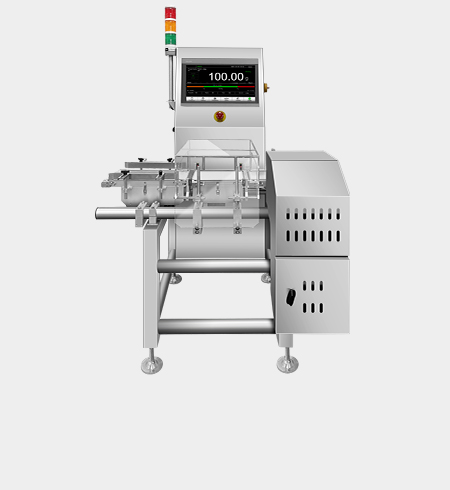
Checkweighers
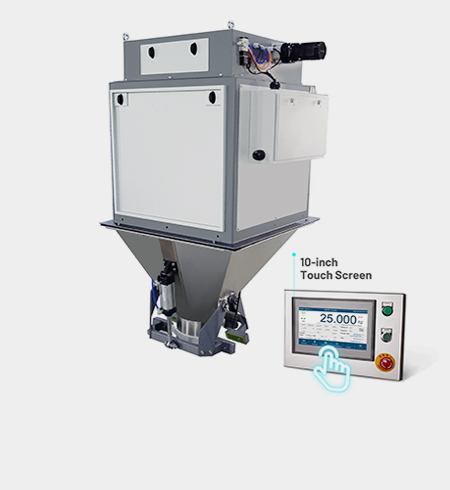
Bagging Scales
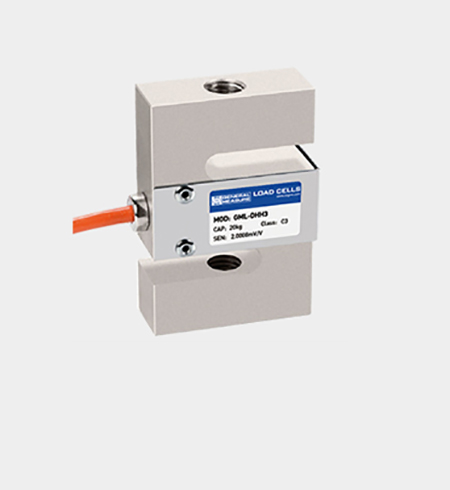
Load Cells
Now the blog's visitors multiplied. The comments, once locked, unlocked with moderation tools on a timer. People began to pore over the scans, annotating the margins, cross-referencing names against obituary lists and public property records. A thread emerged that tried to trace the microfilm faces to their descendants. Another tried to identify the stamps. Some of the commenters produced fragments of their own: a postcard here, an old ledger there, a memory that placed a name at a certain train station in 1973. The internet did what it does best: it took the scattered pieces and tried to make a map out of them.
The more Lena dug, the closer the archive pressed into her life. Names mapped to places she passed every day: a laundromat that might have been an intake center, a school whose records were thin from a decade. She felt the past like a weight in the seams of the city.
The photograph pulled at her. The attic's rafters suggested a house older than any in her neighborhood, the wood dark with years of smoke. The trunk's leather had split; the tin was pocked with rust, the label in that looping script now familiar: F.S.I. Forensic Service International? Field Survey, Incorporated? Faintly, Lena remembered an old forum thread from her grad school days — a rumor about a small group of archivists who specialized in reclaiming lost media, a collective that called themselves the Found and Salvaged: F.S.I. They were urban legends, people said, a loose network of researchers who recovered discarded drives, restored corrupted tapes, and sometimes, when their hearts or consciences moved them, published their finds.
"fsiblog3 fixed," the commit message had read, terse and triumphant. The branch had been merged at 05:17. The deployments scrubbed logs, restarted containers, and for the first time in two days the blog's home page returned real posts instead of a spinning loader and an apologetic 502.
She thought of the team's conversations. They'd joked about "ghost dependencies." But institutions failed in quieter ways. A funding cut, a staffing gap, a lost password. An archivist dies. A basement floods. Or an algorithm pinches a cache and a treasure trove rides the tide into the light.
Within an hour, the post thread began to catch attention beyond their small dev team. A user with a byline reading "ArchivistAnon" posted a reply beneath the image with a single line: "Thank you." It was signed with a reference code that matched an entry in the journal.
They argued, too. The lawyer insisted on redaction where names might endanger living people; the historian pushed for transparency to preserve research value; a descendant demanded that a particular photograph be removed. They negotiated, sometimes grudgingly. They created consent forms, restitution protocols, and a cataloging system that recorded provenance and the reasons for access restrictions. It wasn't perfect. It was politics and ethics, a compromise between the need to know and the duty not to harm.
Her screen went cold. She opened the index. It was a catalog of items, entries written in careful type, referencing dates, locations, and codes. The first entry corresponded to the attic image: "FA-1971—Trunk labeled F.S.I.—Recovered from 14 Linden Lane. Contents: tin canister; 3 microfilm strips; handwritten journal."
_Manual_Batching_Mode.jpg)
Now the blog's visitors multiplied. The comments, once locked, unlocked with moderation tools on a timer. People began to pore over the scans, annotating the margins, cross-referencing names against obituary lists and public property records. A thread emerged that tried to trace the microfilm faces to their descendants. Another tried to identify the stamps. Some of the commenters produced fragments of their own: a postcard here, an old ledger there, a memory that placed a name at a certain train station in 1973. The internet did what it does best: it took the scattered pieces and tried to make a map out of them.
The more Lena dug, the closer the archive pressed into her life. Names mapped to places she passed every day: a laundromat that might have been an intake center, a school whose records were thin from a decade. She felt the past like a weight in the seams of the city.
The photograph pulled at her. The attic's rafters suggested a house older than any in her neighborhood, the wood dark with years of smoke. The trunk's leather had split; the tin was pocked with rust, the label in that looping script now familiar: F.S.I. Forensic Service International? Field Survey, Incorporated? Faintly, Lena remembered an old forum thread from her grad school days — a rumor about a small group of archivists who specialized in reclaiming lost media, a collective that called themselves the Found and Salvaged: F.S.I. They were urban legends, people said, a loose network of researchers who recovered discarded drives, restored corrupted tapes, and sometimes, when their hearts or consciences moved them, published their finds.
"fsiblog3 fixed," the commit message had read, terse and triumphant. The branch had been merged at 05:17. The deployments scrubbed logs, restarted containers, and for the first time in two days the blog's home page returned real posts instead of a spinning loader and an apologetic 502.
She thought of the team's conversations. They'd joked about "ghost dependencies." But institutions failed in quieter ways. A funding cut, a staffing gap, a lost password. An archivist dies. A basement floods. Or an algorithm pinches a cache and a treasure trove rides the tide into the light.
Within an hour, the post thread began to catch attention beyond their small dev team. A user with a byline reading "ArchivistAnon" posted a reply beneath the image with a single line: "Thank you." It was signed with a reference code that matched an entry in the journal.
They argued, too. The lawyer insisted on redaction where names might endanger living people; the historian pushed for transparency to preserve research value; a descendant demanded that a particular photograph be removed. They negotiated, sometimes grudgingly. They created consent forms, restitution protocols, and a cataloging system that recorded provenance and the reasons for access restrictions. It wasn't perfect. It was politics and ethics, a compromise between the need to know and the duty not to harm.
Her screen went cold. She opened the index. It was a catalog of items, entries written in careful type, referencing dates, locations, and codes. The first entry corresponded to the attic image: "FA-1971—Trunk labeled F.S.I.—Recovered from 14 Linden Lane. Contents: tin canister; 3 microfilm strips; handwritten journal."